
How Summer Heat in India Increases the Risk of Kidney Stones (And What You Can Do)
Kidney stones are a common urological concern that tends to become more frequent during the summer months in India. The combination of high temperatures, excessive sweating, and inadequate hydration creates conditions that make the body more prone to stone formation. Many people are unaware that simple seasonal changes can significantly impact kidney health. According to Dr. Bhargav Shah, understanding how summer heat contributes to kidney stones is essential for prevention and long-term well-being.
Dehydration and Fluid Loss
One of the primary reasons for the rise in kidney stones during summer is dehydration. The body loses a significant amount of water through sweat, and if this is not replenished adequately, it leads to reduced fluid levels in the body. This imbalance increases the risk of stone formation.
Concentrated Urine and Mineral Crystallization
When the body is dehydrated, urine becomes more concentrated. This allows minerals like calcium, oxalate, and uric acid to come together and form crystals, which can gradually develop into kidney stones.
Reduced Urine Output
Lower fluid intake results in decreased urine production. This limits the body’s ability to flush out toxins and excess minerals, allowing them to accumulate and increase the likelihood of stone formation.
Dietary Habits During Summer
Summer diets that include high salt, processed foods, sugary drinks, and caffeine can further contribute to kidney stone risk. These factors not only increase mineral levels in urine but also worsen dehydration.
Prolonged Heat Exposure
Spending long hours outdoors in high temperatures without proper hydration can accelerate fluid loss. This is especially common in India and significantly raises the chances of developing kidney stones.
Early Symptoms to Watch For
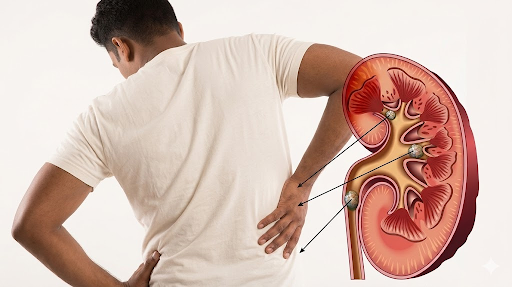
Kidney stones may begin with mild symptoms such as lower back pain, abdominal discomfort, or a burning sensation while urinating. In some cases, individuals may also notice nausea or blood in the urine. These signs should not be ignored.
Importance of Timely Prevention
These risk factors often develop gradually and may go unnoticed until symptoms become severe. However, simple measures like maintaining proper hydration, making mindful dietary choices, and avoiding excessive heat exposure can significantly reduce the risk.
Comprehensive Care at Credence Urology Clinic
At Credence Urology Clinic, patients receive expert evaluation and personalized care for the prevention and treatment of kidney stones. With advanced diagnostic techniques and minimally invasive treatment options, the focus is on accurate diagnosis and effective management. Under the guidance of Dr. Bhargav Shah, patients benefit from tailored treatment plans, preventive strategies, and continuous support to ensure better kidney health and reduce the chances of recurrence, especially during high-risk summer months.