
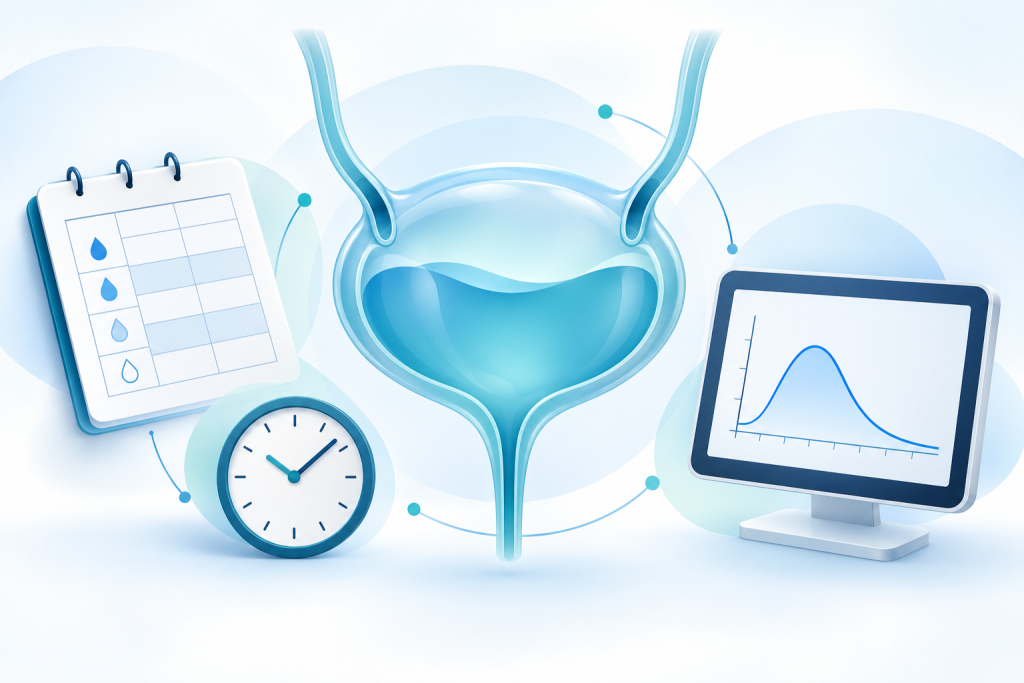
Before Your Urodynamic Test: What to Track, Bring and Ask
Urinary urgency, leakage and difficulty emptying the bladder can interrupt work, travel and sleep. When symptoms overlap, your doctor may recommend urodynamic testing to understand how your bladder functions before deciding on treatment.
Urodynamic testing examines how the lower urinary tract stores and releases urine. Understanding the purpose of the assessment can help you arrive prepared and ask useful questions.
Record your symptoms before the appointment
Start by noting what bothers you most. Do you leak urine when coughing or exercising? Do you experience sudden urgency? Does your bladder still feel full after visiting the toilet?
Ask the clinic whether you should complete a bladder diary. Depending on its instructions, this might include when you drink, when you urinate and when leakage occurs. Recording everyday patterns can make your consultation more informative.
Patients seeking female urology treatments should also mention whether symptoms began after childbirth, pelvic surgery or another change in health.
Confirm how to prepare
Preparation depends on the tests planned. Ask whether you should arrive with a comfortably full bladder and whether any medicines require adjustment. Do not stop prescribed medicines without instructions.
Bring previous urine reports, scans, relevant surgical records and a current medicine list. Tell the clinic about new burning, fever or suspected infection, particularly if you have previously needed urinary tract infection treatment.
Understand what the assessment involves
Some tests measure urine flow or the amount remaining after urination. Others use small catheters to assess pressure as the bladder fills and empties. Your clinician should explain which tests are appropriate, what sensations to expect and what aftercare is needed. You can ask for clarification at any stage, especially if a step feels uncomfortable or its purpose is unclear.
Leave knowing what happens next
Before leaving, confirm when your results will be available and how they could influence treatment. Ask which symptoms after testing should prompt a call to the clinic.
At Credence Urology Clinic in Ghatkopar, a consultation with Dr. Bhargav Shah can help you understand whether testing is appropriate and how the findings may guide your care.
Frequently Asked Questions
- Why has my doctor recommended a urodynamic test?
Your doctor may recommend testing to understand symptoms such as urine leakage, urgency or difficulty emptying the bladder. The findings can help guide treatment.
- Is urodynamic testing painful?
Some tests involve passing urine into a measuring device, while others require small catheters. You may experience temporary discomfort. Ask your clinician what your planned assessment involves.
- Should I arrive with a full bladder?
Some tests require a comfortably full bladder. Confirm the clinic’s instructions beforehand, as preparation depends on the tests being performed.
- Should I stop my medicines before testing?
Do not stop prescribed medicines independently. Share your medicine list with the clinic and ask whether any changes are necessary.
- When will I receive my results?
Ask the clinic when the findings will be reviewed and whether a separate appointment is needed to discuss treatment.