
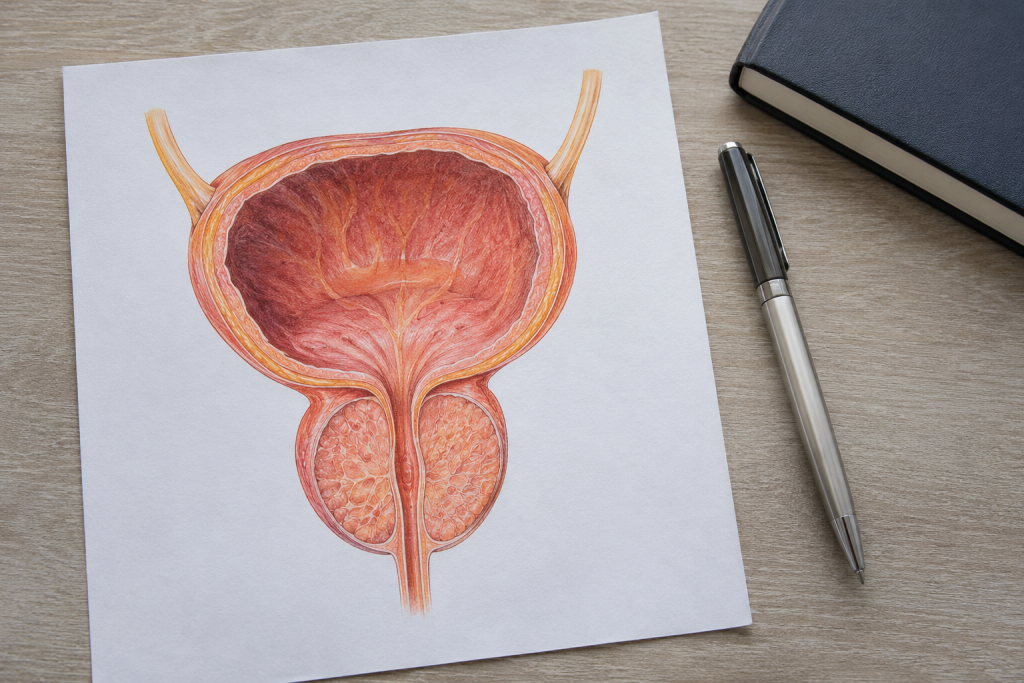
When Is Surgery Considered for an Enlarged Prostate?
An enlarged prostate does not automatically require surgery. Treatment for benign prostatic hyperplasia, or BPH, depends on how symptoms affect daily life, whether complications are present and what earlier treatment has achieved.
Surgery may be discussed when symptoms remain troublesome despite other approaches or when problems such as recurring urinary retention influence the decision.
How do symptoms guide the discussion?
A weak urinary stream may be manageable for one person but highly disruptive for another. Explain what has changed: difficulty starting, straining, repeated bathroom visits or the feeling that your bladder has not emptied.
Mention any previous catheter use, infections or episodes when you could not pass urine. Bring your medicine list and describe benefits, side effects and treatments you have already tried.
A discussion about prostate gland enlargement treatment may cover monitoring, medicines and procedures. Ask what findings suggest the prostate is responsible for your symptoms.
What should you ask before agreeing to surgery?
If surgery for prostate disorders is recommended, ask why that approach suits your circumstances. Discuss alternatives, the expected benefit and what could happen if you wait.
Ask which symptoms are most likely to improve. Nighttime urination, for example, can have several contributing causes, so expectations should be individual.
Write down your priorities before the appointment. These might include returning to work, avoiding long-term medication or understanding possible sexual side effects.
Understand recovery and possible side effects
When meeting a prostate gland surgery doctor, ask about anaesthesia, hospital arrangements, temporary catheter use and restrictions during recovery.
Discuss possible effects on ejaculation, erections and bladder control. These risks vary with the procedure and individual circumstances. Tell your clinician if preserving fertility is important to you.
Before discharge, confirm follow-up arrangements and symptoms that require contacting the treating team.
Preparing for a Credence consultation
Bring scans, test results and earlier treatment records to Credence Urology Clinic in Ghatkopar. A prostate surgeon consultation provides an opportunity to compare options and understand the reasons behind a recommendation.
Leave with a clear next step, whether that means continued monitoring, adjusting treatment or preparing for a procedure.
Frequently Asked Questions
- Does an enlarged prostate always need surgery?
No. Treatment depends on symptoms, findings, complications and preferences. - Is BPH the same as prostate cancer?
No. BPH is noncancerous enlargement, although separate assessment may sometimes be needed. - Will I need a catheter after surgery?
You may need one temporarily. Ask about the plan for your procedure. - Can surgery affect ejaculation?
Some procedures can. Discuss this beforehand, particularly if fertility matters to you. - What if I suddenly cannot pass urine?
Seek urgent medical care rather than waiting for a routine appointment.